
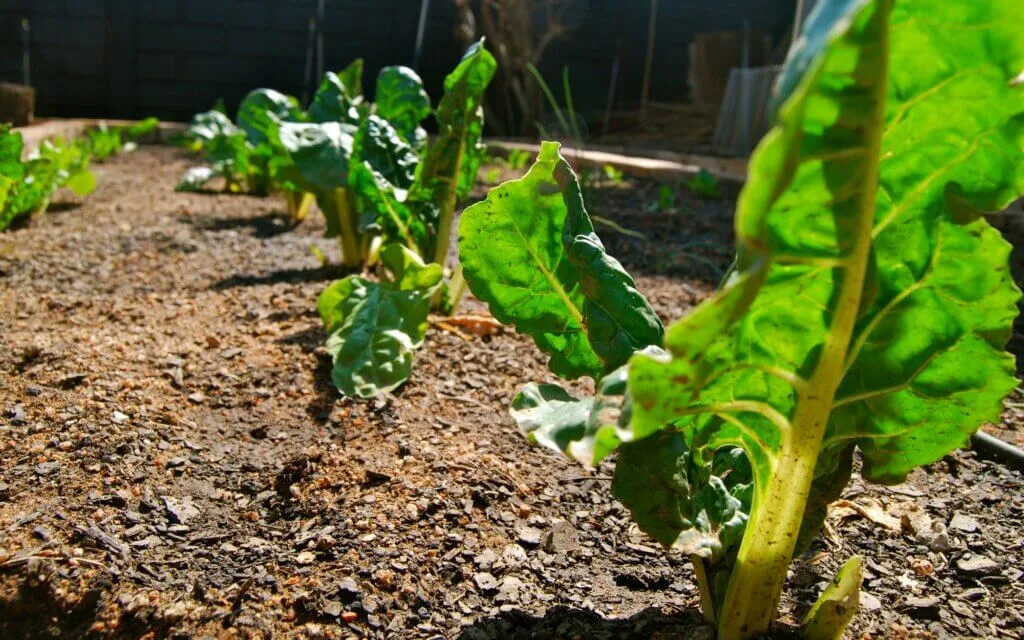
Why Grow Spinach or Swiss Chard in South Africa
If you’re looking to grow your own vegetables in South Africa, spinach — more accurately Swiss chard — is one of the most rewarding crops you can start with. It’s fast-growing, nutritious, colourful, and thrives in most South African climates.
Whether you’re in the Highveld, the coastal belt, or inland areas, Swiss chard is tolerant to a range of conditions, making it an ideal cool-season crop for home gardens and allotments alike.
Top Tip: Most of the “spinach” sold in South African supermarkets is actually Swiss chard — the more robust, cut-and-come-again cousin of true spinach.
What’s the Difference Between Spinach and Swiss Chard?
In South Africa, the term spinach is often used to refer to Swiss chard (Beta vulgaris var. cicla). True spinach (Spinacia oleracea) is more sensitive to heat and bolting and is usually grown in colder regions or during winter.
Swiss chard, on the other hand, is a hardy biennial grown as an annual, with vibrant green leaves and colourful stems that range from white to red, yellow, and even purple. It’s more tolerant of heat and more prolific than true spinach, especially in South African gardens.
You can find excellent production insights in this guide by Starke Ayres and this Department of Agriculture brochure.
How to Grow Swiss Chard (Spinach) from Seed
As shown in the instructional video, you can easily grow Swiss chard at home using a simple seed-starting method. Here’s how:
Use a seedling tray with small cells and fill it with a well-draining germination mix (you can use a commercial mix or make your own from one part compost and one part perlite).
Firm the mix lightly into place.
Place 3 to 4 seeds per cell. The seeds look like little spiky nuggets and often contain multiple viable embryos.
Rehydrate palm peat in water and gently spread a thin layer over the seeds.
Press the medium gently down to just below the rim of each cell.
Water the tray from below by submerging it in a tray of water for several minutes. This allows moisture to soak upwards without disturbing the seeds.
Place the tray on a warm windowsill or in a greenhouse. Germination should take place in 7 to 14 days.
Once the seedlings are large enough to handle, transplant them into garden beds or larger pots.
When and Where to Plant Spinach (Swiss Chard) in South Africa
Swiss chard is typically grown from early autumn through late spring in most of South Africa. However, in cooler coastal areas or shaded microclimates, it can be grown year-round.
Ideal growing conditions include:
Soil temperature: 10°C to 25°C for germination
Full sun to semi-shade
Well-drained soil rich in organic matter
Slightly acidic to neutral pH (6.0–7.0)
Prepare beds by adding compost, aged manure, or organic slow-release fertiliser.
Caring for Your Swiss Chard Plants
Once established, Swiss chard is relatively low-maintenance, but will reward you with bigger, better yields if well cared for.
Watering: Keep soil evenly moist, especially during dry spells. Avoid waterlogging.
Feeding: Feed monthly with a liquid fertiliser high in nitrogen (such as a compost tea, seaweed solution, or balanced organic feed).
Mulching: Apply mulch around the base of plants to retain moisture and suppress weeds.
Thinning: If direct sown, thin seedlings to about 15–30 cm apart depending on the cultivar.
Harvesting: Pick outer leaves regularly once the plants are about 20–30 cm tall. The inner leaves will continue growing, giving you multiple harvests.
Common Problems and Pests
Swiss chard is generally pest-resistant, but watch out for:
Aphids (spray with neem oil or insecticidal soap)
Downy mildew in humid areas (increase airflow, water early in the day)
Snails and slugs (use crushed eggshells or organic slug pellets)
Avoid over-fertilising with nitrogen-rich feeds, which can make plants more susceptible to leaf diseases.
Where to Get Seeds in South Africa
You can find high-quality spinach and Swiss chard seed varieties from:
Local garden centres and hardware stores such as Builders Warehouse or Checkers Garden
Companion Planting Ideas
Swiss chard grows well with:
Avoid planting near potatoes or corn, which may compete for nutrients.
Using Swiss Chard in the Kitchen
Swiss chard is incredibly versatile. Use it:
Raw in salads (young leaves)
Steamed or sautéed like spinach
Added to soups, stews, and pasta dishes
Stir-fried with garlic, olive oil, and lemon juice
Purple and rainbow-stemmed varieties are great for adding colour to dishes and garden borders alike.
Additional Resources
For deeper guidance, see:
When to plant Swiss chard in South Africa?
Swiss chard is best planted in South Africa from late summer through autumn and into early spring, depending on your region. In most areas, the ideal planting window is from February to May and again from August to September. In cooler regions and coastal areas with mild temperatures, Swiss chard can be grown almost year-round. It prefers cooler weather for establishment but is more heat-tolerant than true spinach, making it very adaptable across the country.
How to grow Swiss chard spinach?
To grow Swiss chard (commonly called spinach in South Africa), start seeds in trays or sow directly into well-prepared soil rich in compost. Plant seeds about 1–2 cm deep and space plants 15–30 cm apart. Swiss chard grows best in full sun to partial shade, with regular watering and good drainage. Harvest outer leaves continuously once plants are established, allowing the centre leaves to keep growing for repeated harvests.
Why is Swiss chard called spinach in South Africa?
Swiss chard is called spinach in South Africa mainly for cultural and culinary reasons. True spinach does not perform well in many South African climates because it bolts quickly in warm weather. Swiss chard is far more resilient, productive, and widely grown, so it became the accepted “spinach” in local markets and kitchens. Over time, the name stuck, even though botanically they are different plants.
What should not be planted next to Swiss chard?
Swiss chard should not be planted next to crops that compete heavily for nutrients or encourage disease pressure. Avoid planting it close to potatoes, corn, or large brassicas such as cauliflower and broccoli. These plants can compete for space and nutrients, which may reduce leaf quality and overall growth of the chard.
Can spinach and chard be planted together?
Yes, spinach and Swiss chard can be planted together successfully. They have similar soil, water, and nutrient requirements. However, true spinach grows faster and has a shorter lifespan, while Swiss chard is long-lasting. When planting them together, ensure good spacing and harvest spinach early to avoid overcrowding the chard plants.
What’s the best thing to plant in September?
September is an excellent time to plant leafy greens and warm-season vegetables in most parts of South Africa. Swiss chard, spinach, lettuce, beetroot, carrots, beans, and spring onions all perform well when planted in September. In warmer regions, you can also begin planting tomatoes, peppers, and cucumbers as the soil warms up.
What’s a good companion plant for chard?
Good companion plants for Swiss chard include onions, garlic, lettuce, beans, and cabbage. These plants help optimise garden space and can reduce pest pressure. Onions and garlic, in particular, are useful companions as their strong scent can help deter aphids and other pests that sometimes affect leafy greens.
Does Swiss chard come back every year?
Swiss chard is a biennial plant, meaning it naturally lives for two years. In South Africa, it is usually grown as an annual, but in mild climates it can survive winter and regrow in the following season. If left in the ground, it will continue producing leaves until it eventually flowers and sets seed in its second year, after which the plant will decline.
Conclusion
Growing Swiss chard — commonly called spinach in South Africa — is easy, productive, and rewarding. With just a bit of care and planning, you’ll be harvesting nutrient-packed leaves for months.
Be sure to check your region’s planting calendar and start small with a few seed trays. Once you get the hang of it, you’ll never look back.
Plant Info — because gardening is good for you.
